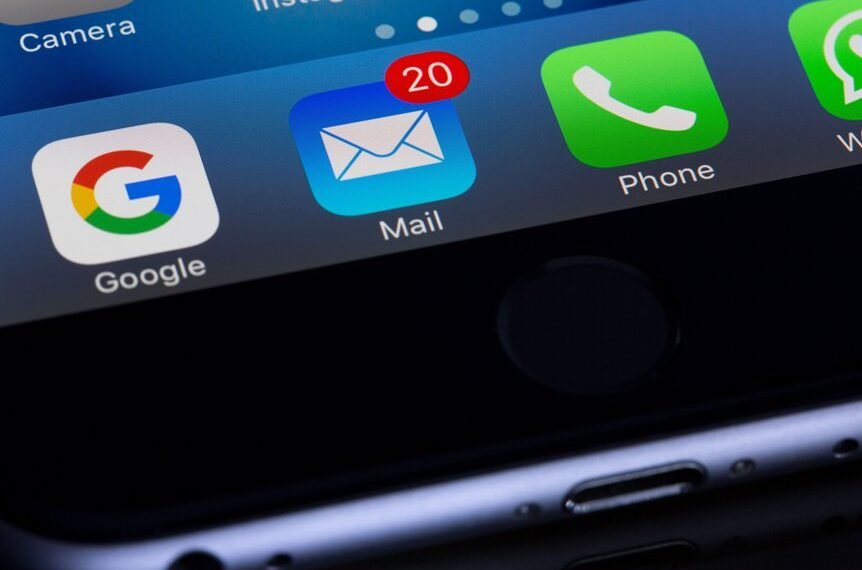
Technology has become an essential part of modern life. From checking messages in the morning to using digital tools at work, people rely on technology throughout the day. Smartphones, computers, smart home devices, and online services have changed how individuals communicate, work, shop, learn, and manage their personal responsibilities.
This shift has made everyday activities faster and more convenient. People can attend meetings from home, order groceries through mobile applications, access educational resources online, and stay connected with friends and family regardless of distance.
However, the growing role of technology also brings new challenges. Excessive screen time, digital distractions, privacy concerns, and reduced face-to-face interaction can affect personal well-being.
Understanding how technology influences daily routines can help people enjoy its benefits while maintaining a balanced and healthy lifestyle.
How Technology Has Transformed Modern Lifestyle
The modern lifestyle is closely connected to digital innovation. Activities that once required physical visits, paperwork, or long waiting periods can now be completed through websites and mobile applications.
For example, people can pay utility bills online, book appointments, manage finances, and communicate with businesses without leaving their homes.
These changes have influenced both personal and professional environments. Technology has also given individuals more control over how they organize their time and complete everyday tasks href .
Although not everyone has equal access to digital resources, technology continues to shape the expectations and habits of modern society.
See also: Why ьщтлунензу Is Worth Understanding
1. Communication Has Become Faster and Easier
One of the most noticeable changes in modern life is the way people communicate.
Traditional communication methods often required physical meetings, letters, or expensive phone calls. Today, messaging applications, video calls, and social networking platforms allow people to stay connected almost instantly.
Families living in different countries can communicate regularly through video calls. Businesses can coordinate projects with remote teams, while students can participate in online discussions and group activities.
Digital communication offers several advantages:
- Instant messaging makes everyday conversations easier.
- Video calls help people maintain personal connections over long distances.
- Social platforms allow individuals to share experiences and information.
- Online communities help people connect with others who have similar interests.
However, digital communication cannot completely replace personal interaction. Spending too much time communicating through screens may reduce opportunities for meaningful face-to-face conversations.
A balanced approach allows people to enjoy digital convenience without neglecting real-world relationships.
2. Technology Has Changed the Way People Work
Workplaces have experienced significant changes because of digital technology. Computers, cloud-based platforms, project management applications, and online communication tools have made it possible to complete many professional tasks remotely.
Remote work is now a practical option for many professions. Employees can attend virtual meetings, share documents, communicate with colleagues, and manage projects without being physically present in an office.
Technology has also created opportunities for freelancers, online businesses, and independent professionals.
For example, individuals can provide services such as graphic design, content writing, programming, digital marketing, and consulting through online platforms.
Some important benefits include:
- Flexible working arrangements.
- Access to international clients and opportunities.
- Faster collaboration between teams.
- Easier storage and sharing of digital documents.
- Reduced need for physical paperwork.
Despite these advantages, working through digital devices can make it difficult to separate professional responsibilities from personal time.
Setting working hours, taking regular breaks, and maintaining boundaries are important parts of a healthy digital working routine.
3. Online Shopping Has Simplified Everyday Activities
Shopping habits have changed considerably with the growth of e-commerce. Instead of visiting multiple physical stores, consumers can browse products, compare prices, read customer reviews, and place orders online.
Online shopping platforms provide access to clothing, electronics, household products, groceries, and many other everyday items.
Digital payment systems have also made transactions more convenient. Depending on the country and available services, customers can use bank cards, mobile wallets, or online banking to complete purchases.
Some advantages of online shopping include:
- Convenient access to products from home.
- More opportunities to compare prices.
- Availability of customer reviews.
- Delivery options that save travel time.
- Access to products from different locations.
However, convenience should not replace careful purchasing decisions. Customers should check seller information, return policies, product descriptions, and payment security before completing an order.
Responsible online shopping can make daily life easier while helping consumers avoid unnecessary spending.
4. Healthcare Is Becoming More Digitally Connected
Technology is also changing how people access healthcare information and services.
Online appointment systems, electronic medical records, telehealth consultations, and health tracking applications have made certain healthcare services more accessible.
Patients may be able to consult healthcare professionals remotely for suitable concerns, receive appointment reminders, and access parts of their medical information through digital systems.
Wearable devices and smartphone applications can also help users monitor activities such as daily steps, exercise sessions, and sleep patterns.
These tools can support healthier habits by making personal activity information easier to understand.
However, digital health information should be used carefully. Fitness applications cannot replace professional medical assessments, and online searches should not be treated as a substitute for advice from qualified healthcare providers.
Technology works best in healthcare when it supports, rather than replaces, professional medical care.
5. Education Has Become More Accessible
Learning is no longer limited to traditional classrooms. Students and professionals can access educational resources through websites, online courses, video lessons, and digital libraries.
This flexibility allows people to learn new skills according to their schedules and interests.
For example, someone interested in programming can follow online tutorials, while another person can improve their language skills through educational applications.
Digital learning offers several benefits:
- Access to educational materials from different locations.
- Flexible learning schedules.
- Opportunities to develop professional skills.
- Interactive lessons and practice exercises.
- Access to international educational resources.
Artificial intelligence has added another dimension to digital education. AI-powered tools can help explain difficult concepts, organize study materials, and provide practice questions.
Still, learners should evaluate information carefully and avoid relying entirely on automated answers. Independent thinking, practical exercises, and reliable educational sources remain important.
6. Entertainment Has Become More Personalized
Technology has changed how people spend their free time. Streaming platforms, online gaming, digital music services, and social media provide entertainment through smartphones, televisions, and computers.
People can watch movies, listen to music, follow sports, and explore different interests without depending entirely on traditional television or physical media.
Digital platforms also recommend content based on viewing habits and personal preferences.
While personalized entertainment can be enjoyable, spending excessive time on screens may affect sleep, physical activity, and productivity.
Creating a healthy entertainment routine is therefore important. People can enjoy digital content while also making time for outdoor activities, hobbies, exercise, and social interaction.
7. Smart Home Technology Is Making Daily Routines More Convenient
Smart home devices are becoming an important part of modern living. These products allow users to control certain household functions through smartphones, voice commands, or automated settings.
Examples include:
- Smart lighting systems that allow users to adjust brightness remotely.
- Smart thermostats that help manage indoor temperatures.
- Security cameras that provide remote monitoring.
- Smart speakers that respond to voice commands.
- Connected appliances that offer convenient control features.
These technologies can improve convenience and help households manage certain daily activities more efficiently.
However, smart devices also require attention to cybersecurity and privacy. Users should install software updates, create strong passwords, and review the permissions granted to connected applications.
A smart home should offer convenience without compromising personal security.
The Challenges of Living in a Technology-Driven World
Although technology has improved many aspects of everyday life, its growing presence also creates challenges that should not be ignored.
Excessive Screen Time
Spending long hours using smartphones, computers, and televisions can reduce time for physical activities and personal interaction. It may also contribute to eye strain and disrupted sleep routines.
Taking regular breaks and setting reasonable screen-time limits can help create healthier habits.
Digital Distractions
Notifications, social media feeds, and constant messages can interrupt concentration. These distractions may make it difficult to complete important tasks efficiently.
Turning off unnecessary notifications and creating dedicated periods for focused work can improve productivity.
Online Privacy and Security
Sharing personal information across multiple digital platforms creates privacy and security concerns. Weak passwords, suspicious links, and untrusted applications may expose users to online risks.
Using strong passwords, enabling two-factor authentication, and downloading applications from trusted sources are useful security practices.
Reduced Face-to-Face Interaction
Digital communication is convenient, but depending on it too heavily may reduce meaningful personal interaction.
Making time for family conversations, friendships, and community activities helps maintain a healthier social life.
How to Maintain a Healthy Balance Between Technology and Daily Life
Technology should support everyday living rather than control it. Developing a few practical habits can help individuals enjoy digital convenience while protecting their physical and mental well-being.
Set boundaries for screen time. Decide when to use digital devices for work, entertainment, and communication. Avoid unnecessary scrolling during personal time.
Take regular breaks. Step away from screens throughout the day. Short breaks can provide an opportunity to stretch, walk, and relax.
Protect personal information. Use secure passwords, update devices, and avoid sharing sensitive information with unfamiliar websites or applications.
Make time for physical activities. Walking, exercising, outdoor hobbies, and other physical activities help balance time spent using digital devices.
Prioritize real relationships. Spend quality time with family and friends without constantly checking notifications or messages.
Use technology with a purpose. Before opening an application or website, consider whether it supports a useful activity or simply consumes time.
Small changes in daily habits can make technology a more positive part of modern living.
What Does the Future of Modern Lifestyle Look Like?
Technology will likely continue influencing how people organize their homes, careers, education, healthcare, and personal activities.
Artificial intelligence, connected devices, automation, and digital services are already changing how certain everyday tasks are completed.
AI-powered tools may help people organize schedules, analyze information, and complete repetitive work. Smart home systems may become more integrated, while digital learning and remote collaboration may offer additional opportunities.
At the same time, questions about privacy, responsible AI use, digital accessibility, and online security will remain important.
The future of modern living will not depend only on having access to advanced technology. It will also depend on how responsibly people use these tools and whether they improve everyday experiences.
Final Thoughts
Technology has transformed modern lifestyle in ways that were difficult to imagine just a few decades ago. Communication, work, shopping, healthcare, education, and entertainment have all become more digitally connected.
These developments offer convenience, flexibility, and new opportunities. However, they also require people to make thoughtful decisions about screen time, online privacy, personal relationships, and daily routines.
The goal should not be to use technology as much as possible. Instead, it should be to use the right tools in ways that make life easier, more productive, and more enjoyable.
A balanced approach allows individuals to benefit from modern innovation while maintaining the personal habits and relationships that make everyday life meaningful.